
 Contact Us

Home Appliance CNC Machining for Precision Parts


Table of Contents

Home Appliance CNC Machining for Accurate, Reliable Parts
Home appliances are based on components that fit easily, move easily and can be used every day. Starting with the washing machine shafts, refrigerator brackets, or any other component, they all require clear size and strength requirements. Home Appliance CNC Machining assists manufacturers to manufacture these parts with regulated dimensions and consistent outcomes.
Computer numerical control (CNC) machining involves a programmed movement of cutting tools. These machines cut away metal or plastic material to form a desired shape. The process facilitates early product testing, part-runs and complete production requirements.
Yanmee offers CNC machining services of custom parts and product development. Its CNC machining service is a convenient place to begin considering the part options, materials, and manufacturing requirements.
The Importance of CNC Machining in Home Appliances
The parts of the appliances usually have to fit bearings, seals, motors, shafts, and fasteners. These parts may have small size errors that will influence their assembly. CNC machines are used to follow programmed tool paths, which assist in maintaining important features within the necessary tolerance.
The appropriate tolerance is based on the design and the role of the part. An outer support bracket may not be as tightly controlled as a motor shaft. Realistic tolerances can be used to control cost without compromising part functionality.
Reproducible Results Between Production Runs
CNC machining records tool paths and cutting settings in a computer program. After testing the process, the identical arrangement can be used to manufacture similar components in a scheduled batch. The wear of tools, material variations, and machine set-up continue to require frequent inspection.
This repeatability aids teams in comparing prototypes and production parts. It also facilitates improved control when there are multiple revisions required in the appliance designs before they can be released.
Complex Part Designs
Appliances have curved surfaces, slots, holes, pockets, and threaded designs. Depending on the type of machines and the shape of the part, many of these features can be produced in single set-up using CNC equipment. The reduced number of setups can minimize alignment errors and handling time.
This renders CNC machining of Home Appliances applicable in motor mounts, valve bodies, pump parts, and custom fittings. Designers are also able to modify part geometry following testing without creating a new production tool.
CNC Manufacturing Materials of Home Appliances
The choice of material influences strength, weight, heat resistance, corrosion resistance, and machining cost. Engineers ought to align every material with the working conditions and design requirements of the part.
Stainless Steel and Aluminium Parts
Stainless Steel Appliance Components are used in components that are in contact with moisture, cleaning agents or frequent contact with water. Grades like 304 are good in corrosion resistance, whereas grades 316 are better in certain harsh conditions. When the design and finish is up to the required standards, these materials may be used in brackets, fittings, shafts and selected food-contact parts.
Typical CNC Operations of Appliance Parts
Appliance Parts Precision CNC Milling
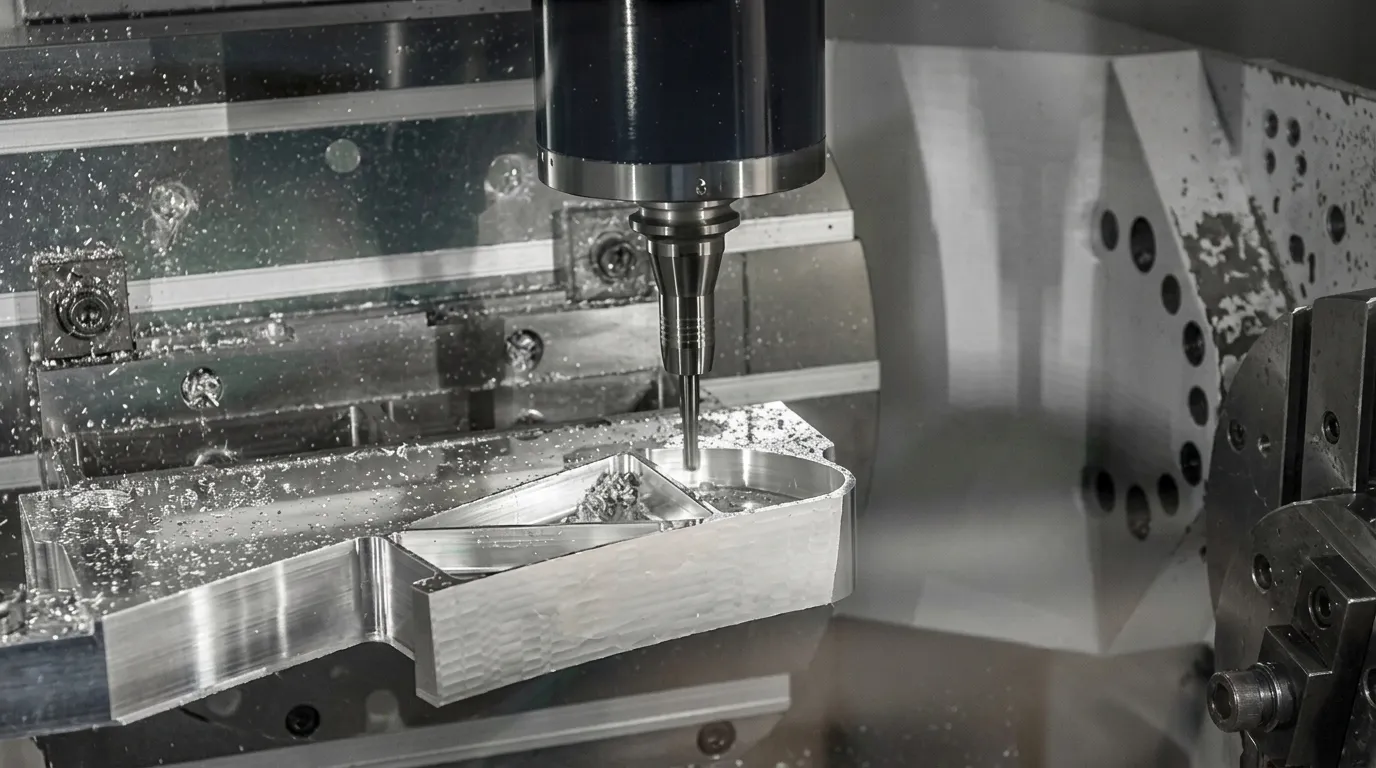
CNC milling involves rotating cutting tools to cut a workpiece or controlled arrangement. It produces flat faces, slots, pockets, grooves and intricate profiles. This is applicable in the mounting of plates, motor brackets, control panel components, and structural supports.
Milling Three-axis milling is capable of many standard features. Four-axis or five-axis machines are capable of accessing more sides or angled surfaces with less setups. The optimal choice is based on the shape of parts, tolerance requirements, and quantity to be produced.
Household Components CNC Turning
CNC turning turns the workpiece and a cutting tool cuts the outer or inner surface. It fits round components like shafts, pins, bushings, spacers and threaded fittings. When the machine and set-up are appropriate to the job, turning can regulate diameters and concentric features. In rotating appliance components, engineers are also to examine runout, surface finish and bearing or seal fit.
Appliance Components CNC Drilling
CNC drilling is used to make screw holes, bolt holes, pin holes and fluid paths. The position of the hole is important where the parts have to fit with other components during assembly. Drilling may also be used in conjunction with boring, reaming and tapping to suit various size and thread requirements.
The drawing should specify whole diameter, depth, position and type of thread used by engineers. The machinist needs clear details to select the appropriate tools and method of inspection.
The Place of CNC Parts in Household Appliances
CNC machining aids numerous household appliances. The specific components will be determined by the product design, material requirements and manufacturing strategy.
- Refrigerators: brackets, shafts, hinges and selected compressor support components.
- Washing machines: motor mounts, pins, spacers, and drum support parts.
- Air conditioners: mounting plates, fan motor supports, and heat transfer parts of choice.
- Kitchen appliances: mixer shafts, metal fittings, and structural supports.
- Dishwashers: pump fittings, brackets, and corrosion-resistant fittings.
- Vacuum cleaners: motor mounts, internal supports and custom connectors.
Factors of Design That Influence Machining Quality
Tolerances, Surface Finish, and Fit
An effective CNC design begins with simple drawings and realistic tolerance limits. Close tolerances may add to machining time, inspection efforts, and scrap rates. They should be used by engineers in features that do not influence the fit, movement, sealing or safety.
Surface finish is also important. Coarse surfaces can cause friction or fail to allow seals to fit in place. The finish needed will depend on the purpose of the part, material and contact with the other parts.
As an illustration, a shaft rotating within a bearing must be controlled in size and surface quality. The internal support plate might not require the same finish. Finish matching the function will prevent unnecessary machining expenses.
Accurate Machining of Appliance Housings
Motors, circuits, pumps and other internal components are housed. They can be designed with mounting holes, cooling slots, threaded, and cable pockets. Precision Machining of Appliance Housings assists in keeping these features in line with the assembly drawing.
Custom CNC Machined Brackets must also be carefully positioned with holes and be of appropriate strength. Brackets hold motors, panels, pumps, and other load bearing components. The right dimensions ensure that there is less alignment problems during assembly.
What to Do to Save Money Without Compromising Quality?
The cost control begins prior to the initial part being sent to the machine. Design decisions influence material wastage, tool availability, installation time, and inspection requirements.
The following are points to be considered during product development:
- Standard drill sizes and threads types where they are allowed by the design.
- Do not have tight tolerances on non-functional features.
- Maintain inside corners in a standard cutting tool.
- Minimize unnecessary configurations by clustering similar features.
- Select materials on basis of real operating requirements rather than strength.
- Check the finish needed prior to machining.
Prototyping is also used to detect problems prior to large-scale production. Teams are able to verify fit, movement, heat exposure, and assembly stages. Early design modifications can save costly later rework.
Conclusion
Dependable appliances start with components that fit their design and work with daily usage. The appropriate materials, machining process and inspection plan assist in controlling quality between prototype and production. Home Appliance CNC Machining provides product teams with a realistic means to create accurate metal and plastic parts without investing in moulds to represent each design change.
You are now prepared to check your next appliance part? Contact Yanmee by visiting its CNC machining service page to talk about your part drawings, material requirements, and manufacturing requirements.
- PREV: Null
- NEXT: Null
Talk to the Manufacturer, Not a Middleman
Resources & Insights
-
Blog
Household Appliance Prototyping Services: From Concept to Market-Ready Products
2026-10-26By -
 Blog
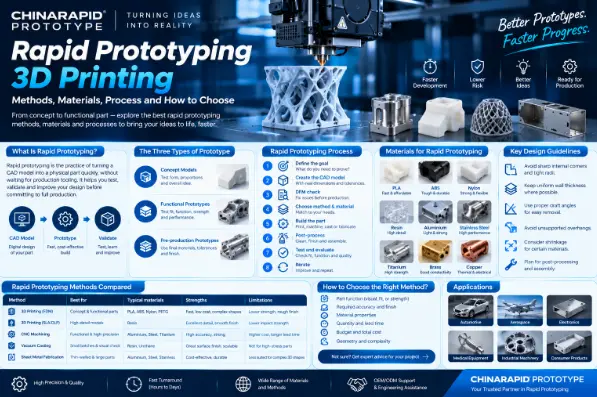
Rapid Prototyping 3D Printing- Methods, Materials, Process and How to Choose
2026-10-23By -
 Blog
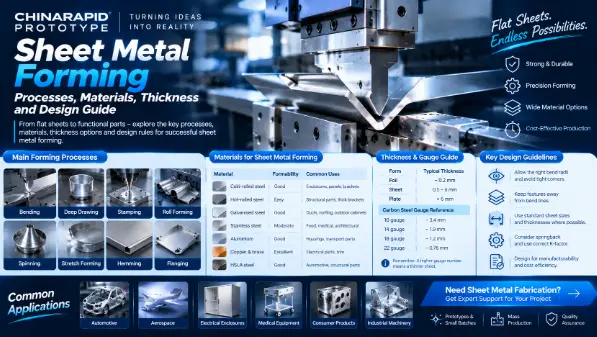
Sheet Metal Forming - Processes, Materials, Thickness and Design Guide
2026-10-23By -
 Blog
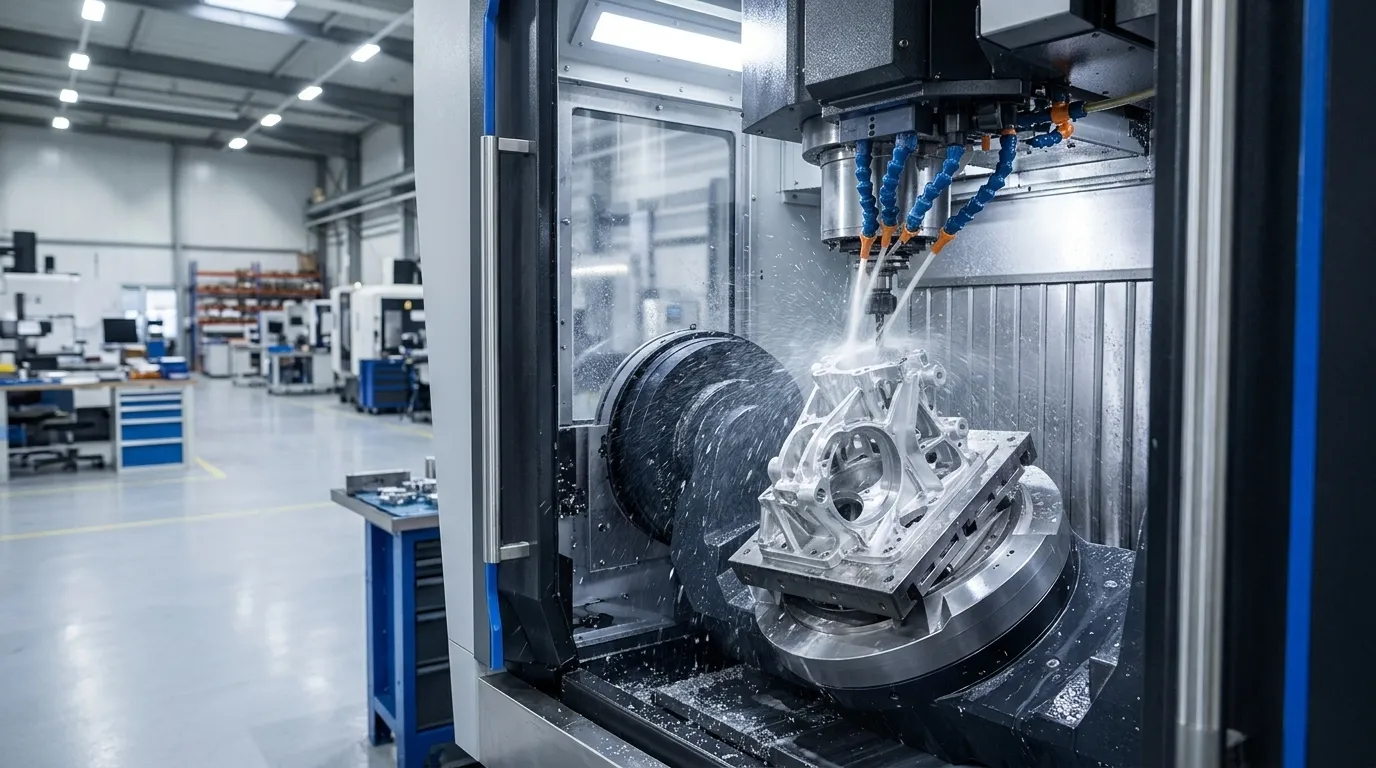
Low Volume Appliance Manufacturing Methods and Processes
2026-10-23By


